

LATEST PRODUCT

KAFUWELL Wire Polis...
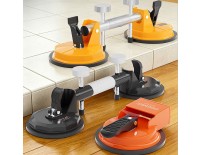
KAFUWELL seamless s...
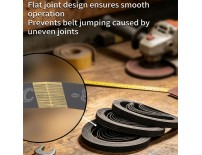
KAFUWELL Silicon Ca...
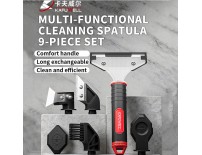
KAFUWELL 9-Piece Mu...
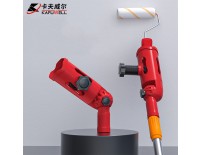
KAFUWELL Multi-func...
KAFUWELL Roller Bru...
KAFUWELL 60 Series ...
KAFUWELL Oil stain ...
KAFUWELL Profession...
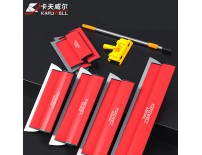
KAFUWELL Stainless ...

KAFUWELL Steel Wire...
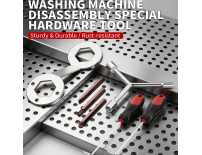
KAFUWELL washing ma...
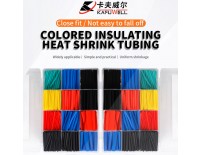
KAFUWELL colored in...
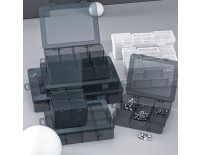
KAFUWELL Parts Box ...
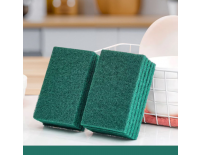
KAFUWELLCeramic Whe...
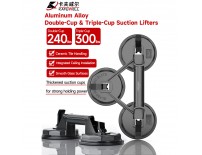
KAFUWELL aluminum a...
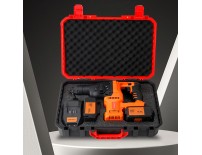
KAFUWELL Brushless ...
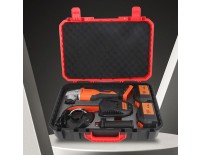
KAFUWELL 20V Brushl...
The KAFUWELL PA4506...
KAFUWELL 20V Brushl...
How to Choose the Right KAFUWELL Multi-Function Drilling Tool?
2026-07-13
Even after your home is fully decorated, you still need to hang pictures, install brackets, or assemble furniture—all of which require a drilling tool. So, which tools should you choose for drilling? Power tools are definitely more efficient: should you go for an impact drill, a hammer drill, or a cordless drill? KAFUWELL Tools will explain the differences and help you make the right choice.First, let's look at the impact drill. It can screw in bolts, drill into wood and metal, and even bore holes in walls—covering most household drilling needs with its versatile functions.
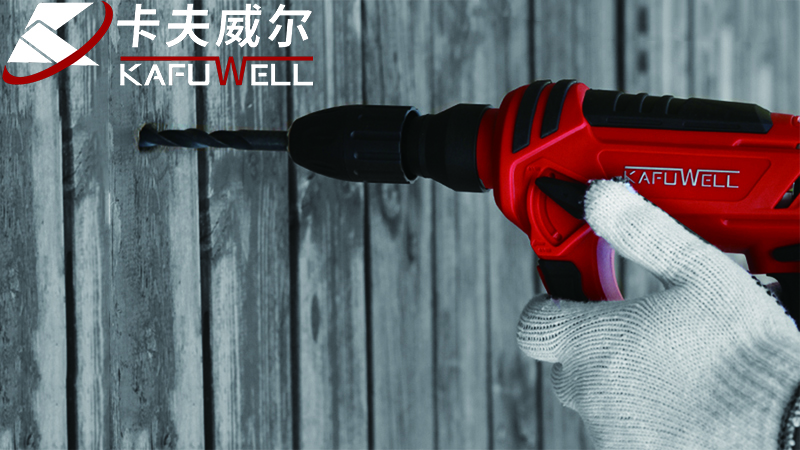
But it’s not perfect. What if you need to drill into load-bearing walls at home? Load-bearing walls are typically made of reinforced concrete, so a lightweight hammer drill would be a better option. A multi-function hammer drill offers three key capabilities: flat drilling (rotating only), hammer drilling (rotating while advancing), and chiseling (advancing without rotation).Many people mistakenly use the impact mode of an impact drill as a hammer drill, but the two actually operate differently. The impact drill drives forward during operation, whereas the hammer drill delivers vertical, continuous impacts.
In home renovation, hammer drills are primarily used for wall demolition and slotting. After renovation, you can use the flat drilling mode with various drill bits to create holes in wood or drywall, or use a hole saw to cut through tiles. You can also use the hammer drilling function to bore holes in brick or concrete walls. Since most post-renovation installations rarely require holes larger than 15mm in diameter, a lightweight hammer drill equipped with both flat and hammer drilling functions is perfectly suited for all your household drilling tasks.KAFUWELL—your trusted companion for life!